While immunotherapy has transformed the clinical landscape for various solid malignancies, most notably melanoma and lung cancer, pancreatic ductal adenocarcinoma (PDAC) remains exceptionally recalcitrant to these T-cell-activating modalities. This profound resistance stems largely from PDAC’s highly immunosuppressive tumor microenvironment (TME). An intricate, dense network composed of suppressive immune populations – such as tumor-associated macrophages (TAMs) and myeloid-derived suppressor cells (MDSCs) – alongside cancer-associated fibroblasts (CAFs), pancreatic stellate cells, and a dense extracellular matrix that physically and biochemically impede effector T-cell infiltration and cytotoxic action. Overcoming these entrenched suppressive forces requires a precise, mechanistic understanding of the drivers behind PDAC microenvironmental immune evasion.
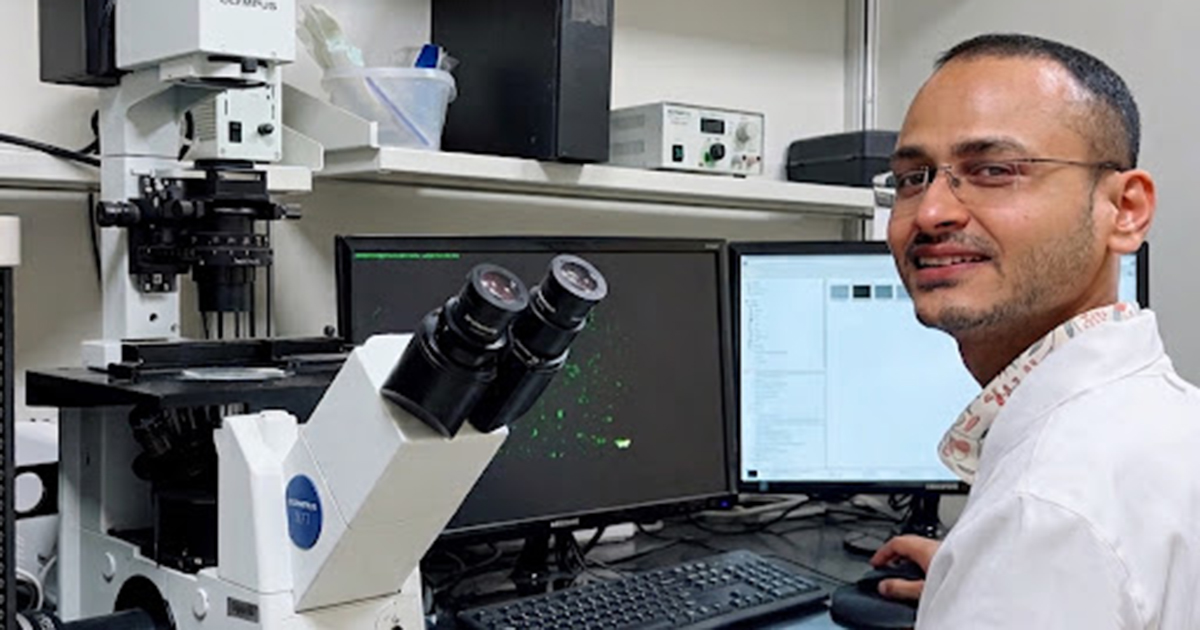
To address this challenge, Dr. Somnath Pandey, an Assistant Scientist in the Department of Surgery at the Sylvester Comprehensive Cancer Center, University of Miami, is investigating the role of MALL (Mal, T-cell differentiation protein-like) in orchestrating the PDAC TME. Dr. Pandey’s research focuses on deciphering how this membrane protein-typically localized in glycolipid-enriched membrane domains where it facilitates the apical transport of membrane and secretory proteins-shapes the tumor-immune dynamics. Supported by a 2024 Hirshberg Foundation Seed Grant for his project, “Genetic deletion of MALL reprograms tumor microenvironment and improves survival response to anti-PD1 in pancreatic ductal adenocarcinoma,” his initial findings reveal that elevated MALL expression significantly correlates with poor patient survival. Furthermore, utilizing CRISPR-based genome editing in immunocompetent, clinically relevant mouse models, Dr. Pandey demonstrated that MALL inhibition successfully reprograms the immunosuppressive TME, resulting in improved overall survival.
Dr. Pandey’s ongoing research aims to further elucidate the exact molecular mechanisms by which MALL drives TME remodeling and to establish whether targeting MALL can sensitize PDAC tumors to immune checkpoint blockade (anti-PD-1) therapy in preclinical settings. Ultimately, these insights hold strong potential to guide novel therapeutic strategies designed to overcome treatment resistance in pancreatic cancer. Dr. Pandey will present his latest discoveries at the upcoming Hirshberg Foundation-UCLA Research Forum on Pancreatic Cancer Research this October.

