Hirshberg Foundation for Pancreatic Cancer Research

Dedicated to advancing pancreatic cancer research and providing support to patients and their families.

Donate
  • ABOUT THE FOUNDATION
    • Agi’s Story
    • About Us →
      • Mission
      • Directors/Trustees
      • Scientific Advisory Board
      • How Our Journey Began
    • News →
      • Latest News
      • Research News
      • Foundation News
      • Impact Reports
      • Newsletters
      • Press Room
    • Contact
  • PANCREATIC CANCER
    • About the Pancreas →
      • The Pancreas
      • Cancer Cells
      • Risk Factors
      • Symptoms
      • Diagnosis
      • Prognosis
      • Staging
      • Second Opinion
    • Treatment Options →
      • Surgery for Pancreatic Cancer
      • Chemotherapy
      • Targeted Therapy
      • Radiation Therapy
      • Alternative Treatment Options
      • Clinical Trials
    • Supportive Care →
      • Obstructions
      • Pain Control
      • Nutrition
      • Cannabis
      • Palliative Care
    • Pancreatic Cancer Facts
    • Glossary of Terms
    • Frequently Asked Questions
  • RESEARCH
    • Seed Grant Program →
      • Seed Grant Recipients
      • Frequently Asked Questions
    • Seed Grant News
    • UCLA Program →
      • UCLA Center for Pancreatic Diseases
      • Basic Research
      • Translational Research
      • Sahin-Toth Laboratory
      • Catalyst Grant Program
        • Catalyst Grant Recipients
          • Evan Abt, PhD
          • Jason Link, PhD
          • Roger Lo, MD, PhD
      • UCLA Pancreas Tissue Bank
      • UC Pancreatic Cancer Consortium
      • Simms/Mann Psychosocial →
        • Insights into Cancer
    • PNET Pathway Grant Program
    • American Pancreatic Association
    • NIH Funded Projects
  • PATIENTS & CAREGIVERS
    • Patient Support
    • Where to Begin
    • Caregivers & Families
    • Symposium →
      • Symposium Presentations
    • Patient & Family Webinars
    • Genetic Counseling
    • Resources →
      • NCCN Guidelines for Patients
      • Patient Support Tools
      • Create Your Health Care Team
      • Patient Health Diaries
      • Support Groups
      • Financial Aid
  • HOW YOU CAN HELP
    • Donate Now
    • Give in Tribute →
      • Create a Tribute Page
      • Search for Tribute Fund
    • Ways to Donate →
      • Monthly Giving
      • Donor-Advised Funds
      • Planned Giving
      • Matching Gifts
      • Car Program
    • Fundraise →
      • Purple Ribbon Fundraisers
      • Create a Tribute Page
      • Social Media
      • Fundraising Resources
      • Make Custom Shirts
      • Signature Events
    • Participate →
      • November Awareness Month →
        • World Pancreatic Cancer Day
      • Volunteer
      • Shop Online Store
      • Wedding Program
      • Awareness Resources
      • Signature Events
    • Event Calendar
    • Get Inspired
  • SEARCH
Home / News / Research / Innovative Glycoengineering Strategy Could Reveal New Biomarkers for Pancreatic Cancer

Innovative Glycoengineering Strategy Could Reveal New Biomarkers for Pancreatic Cancer

Seed Grant-supported research explores how glycoengineered molecules can identify pancreatic cancer biomarkers and advance earlier, more accurate detection

May 29, 2026

While the 5-year survival rate for pancreatic cancer has increased over the last decade to 13%, it continues to be one of the toughest cancers to diagnose and treat. One contributing factor is a lack of biomarkers for disease detection and treatment response. Biomarkers are measurable signs that coincide with biological processes, such as a protein that is only found in people with pancreatic cancer and decreases proportionally with tumor size. When identified, biomarkers can be used for diagnosis, characterization of types of cancer, decisions about which treatment may be beneficial, and can be used to monitor treatment response. 

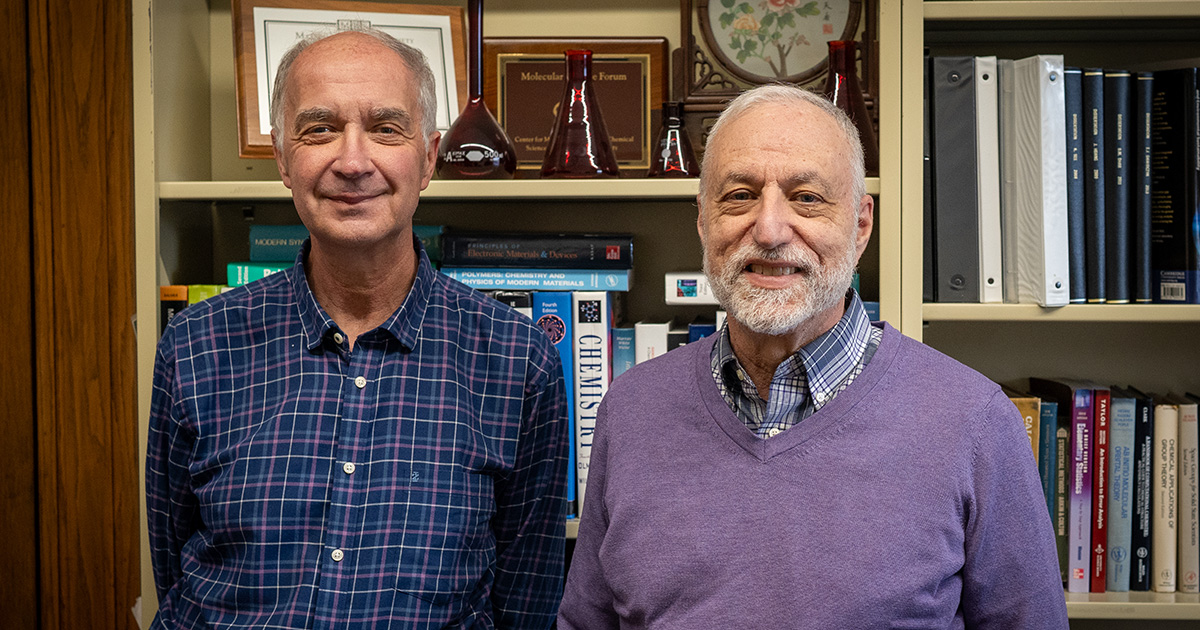
A biomarker currently used for multiple cancers is carbohydrate antigen 19-9 (also called cancer antigen or CA 19-9) and is the only biomarker currently approved for identifying pancreatic cancer.  Research is focused on identifying new biomarkers for pancreatic cancer to facilitate early diagnosis, characterize different subsets of patients, and monitor disease progression. Howard Katz, Professor of Materials Science and Engineering at Johns Hopkins University and a 2017 Hirshberg Foundation Seed Grant Awardee in collaboration with Kevin Yarema, Associate Professor of Biomedical Engineering at Johns Hopkins University, have turned to an emerging technique called glycoengineering to identify novel biomarkers for pancreatic cancer. This work is detailed in their recent Journal of Biological Chemistry publication titled Profiling the pancreatic cancer secretome with metabolic glycoengineering. 

Metabolic glycoengineering is the process of introducing non-natural sugar molecules to cells. Cells then use these sugars in biochemical pathways to make proteins; these new proteins are tagged with the synthetic sugar molecules and are used to make cellular components or can be secreted. Katz and Yarema’s groups used this technique to identify all the proteins secreted (called the secretome) by pancreatic cancer cells, identifying several proteins as potential biomarkers. Research is continuing to evaluate the use of the identified proteins as biomarkers for pancreatic cancer and specifically for early disease. An important and unanticipated aspect of this study was that their method increased the production of extracellular vesicles by the cells. As extracellular vesicles have therapeutic potential, Katz and Yarema are also extending their research to ask whether this approach could be used as a theranostic (a technique that combines diagnostic and therapeutic capabilities) strategy.

Though Dr. Katz’s research has mainly focused on electronic material chemistry; he has been driven to find ways to use his training to increase early detection of pancreatic cancer by personal experiences of friends and family with the disease. Through collaboration with Dr. Yarema, he has been able to leverage his experience and expertise to demonstrate the possibility of using this unique technique to identify and create new biomarkers for pancreatic cancer. On his 2017 Seed Grant, Dr Katz says “I am extraordinarily grateful to the Hirshberg Foundation for opening this opportunity to me and hopefully contributing to the urgently needed early detection and eventual eradication of pancreatic cancer.”

Research like this is possible because of donor support. Hirshberg Foundation Seed Grants give scientists the early funding needed to test bold ideas, generate critical data, and pursue discoveries that may otherwise go unexplored. Today’s Seed Grant projects lay the groundwork for tomorrow’s advances in pancreatic cancer detection, treatment, and survival.

image_pdfimage_print

Filed Under: News, Research, Seed Grants

Join our 18-Day Challenge: 120 New Monthly Donors by June 18th!

Patient Support Resources

from the comfort of your home


Our Webinar Library »

Never Give Up.
The journey continues with an end in sight.
Our Stories »
SUBSCRIBE
Our Free E-Newsletter
Sign up to receive information on breaking news, patient programs and upcoming events.
You can custom tailor your subscriptions and unsubscribe at any time.
  • How You Can Help
  • Make A Donation
  • Host an Event
  • Shop Online Store
  • Signature Events
  • L.A. Cancer Challenge
  • Tour De Pier
  • Hirshberg Training Team
  • More
  • News
  • Press
  • Contact

Stay Connected

Join Our E-newsletter

  • Legal and Privacy
  • Financial Information
  • Contact